This guide is written for People ready to book but unsure how to judge quality and trust. It also connects to traditional Thai massage overview and aromatherapy oil massage page, so readers can move from background knowledge into practical planning.
Start with the first five signals
A good Thai spa usually reveals itself before the treatment begins. The first signals are easy to observe: clean reception, clear service descriptions, calm communication, realistic timing and staff who can answer practical questions. A spa does not need to be luxurious to be trustworthy, but it should feel organized. If the booking process is chaotic, the session may be chaotic too.
Ask yourself whether the spa makes it easy to understand what you are buying. Is the difference between traditional Thai massage, oil massage, herbal compress and body scrub explained? Are durations and expectations clear? When the basics are transparent, the guest can relax sooner.
Look for an intake conversation
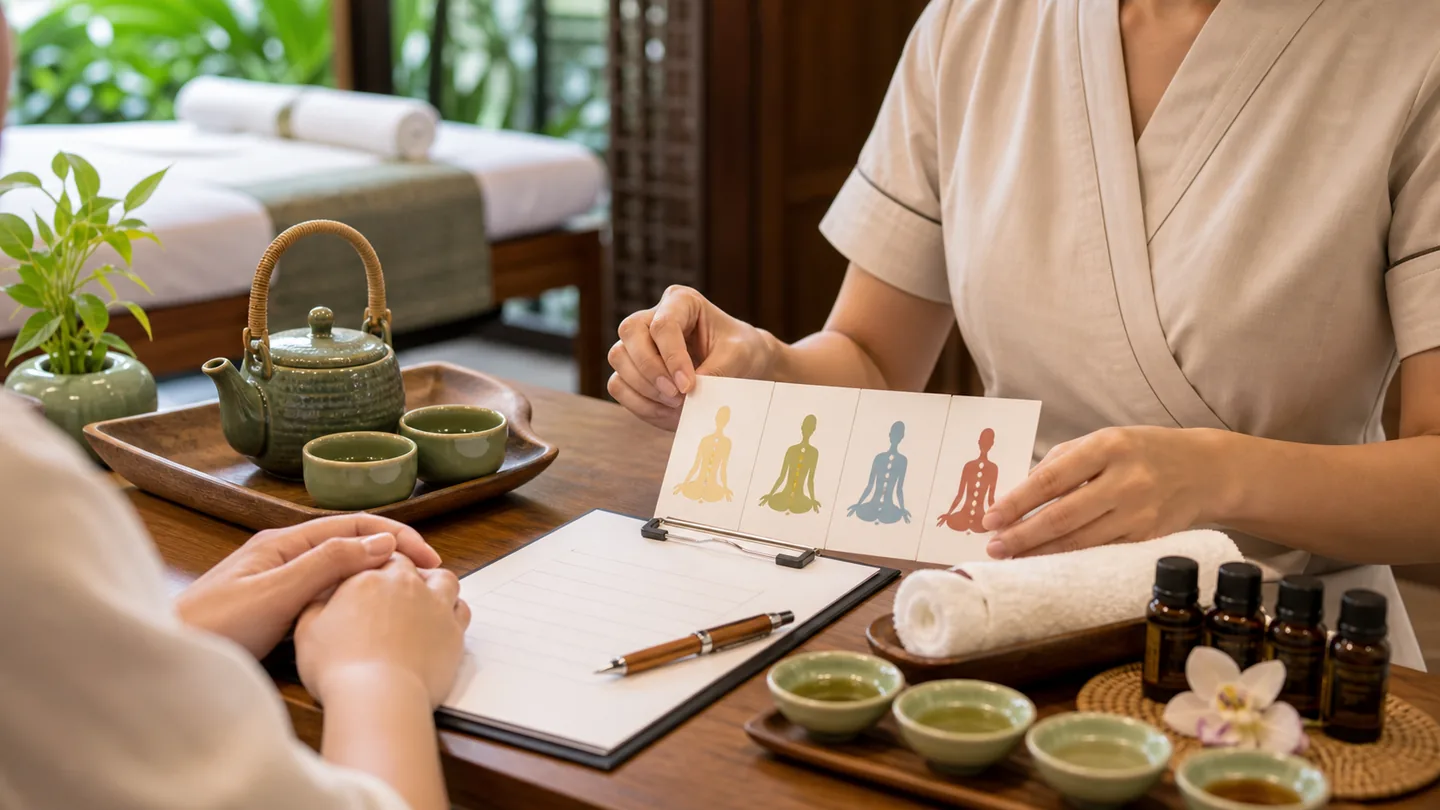
The intake conversation is one of the most underrated quality markers. Before a Thai massage, the spa should ask about injuries, pregnancy, recent surgery, pressure preference, skin sensitivity, allergies and areas to avoid. This does not need to be a long medical form, but it should exist. Without intake, the practitioner is guessing.
A careful intake also protects boundaries. It gives the guest permission to say what they want and do not want. It helps the therapist adapt techniques and avoid assumptions. When a spa treats intake as part of hospitality, the whole experience feels more professional.
Training matters, but claims should be specific
Many Thai massage businesses refer to traditional training, famous schools or long experience. Those references can be meaningful, but vague claims are not enough. Better signs include clear descriptions of modalities, continuing education, respectful language and staff who can explain why one service may suit a guest better than another.
Be cautious with exaggerated promises. Massage can support relaxation and body awareness, but it should not be sold as a guaranteed cure. A spa that avoids impossible claims is often more credible than one that uses dramatic language to compensate for weak service design.
Cleanliness should be visible and calm
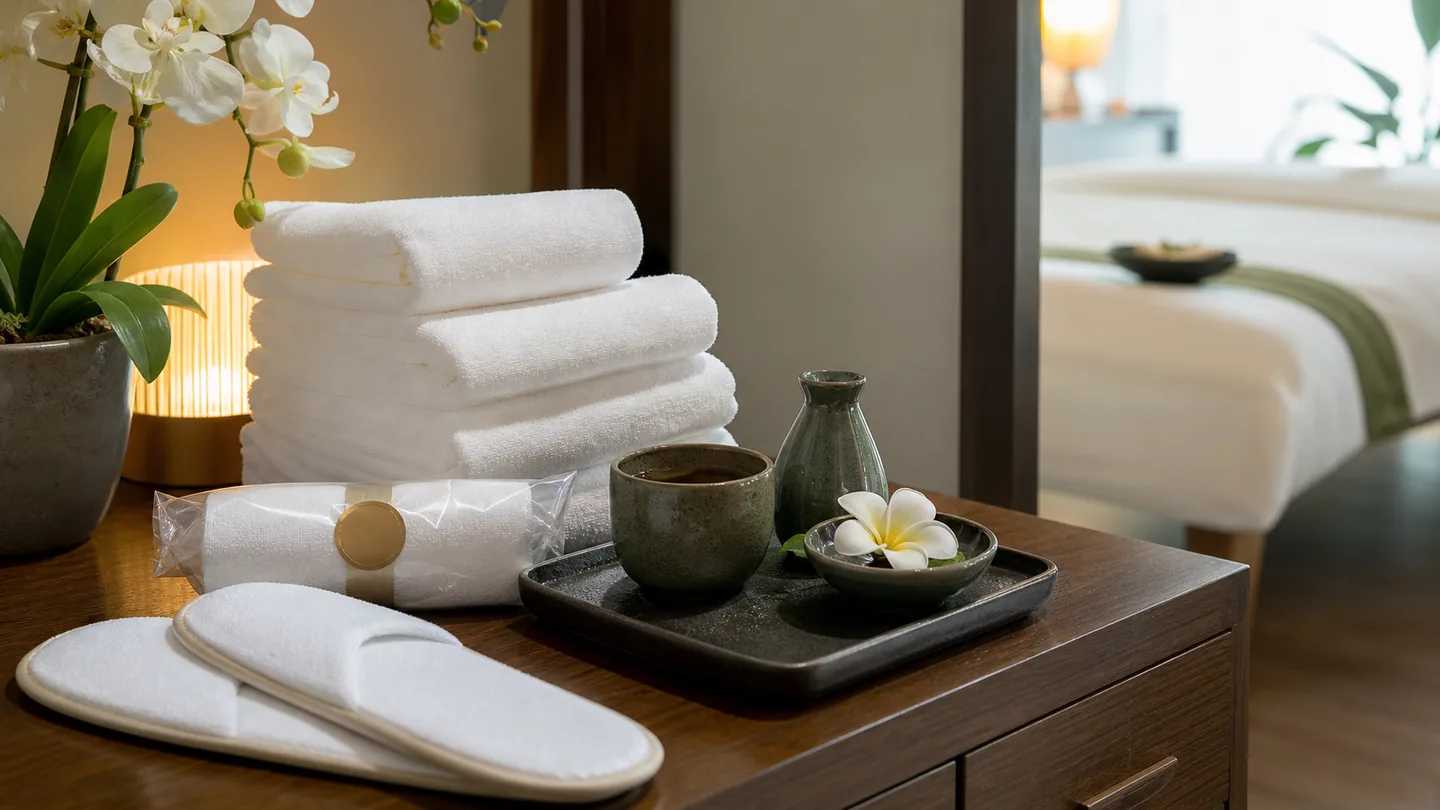
Cleanliness is not only about smell or decoration. It includes fresh linens, organized treatment rooms, clean oil bottles, tidy tools, proper towel handling and a space that does not feel damp or neglected. Guests should not have to wonder whether the mat, towel or compress is ready for them specifically.
At the same time, a good spa does not need to perform hygiene theatrically. The best cleanliness feels calm and built into the workflow. Everything has a place. The practitioner is not scrambling. The room is ready before the guest arrives.
Pressure should be adjustable
Some people believe authentic Thai massage must be very strong. This is a myth that can create bad experiences. A professional practitioner can work firmly, lightly or somewhere between, depending on the guest’s body and preference. The ability to adjust pressure is a skill, not a compromise.
Before booking, notice how the spa describes pressure. Do they offer options? Do they invite feedback? Do they make lighter pressure sound inferior? A good spa gives the guest language to guide the session without embarrassment.
Read reviews for patterns, not single extremes
Reviews can help, but the useful information is in patterns. Look for repeated mentions of cleanliness, respectful staff, strong but careful technique, accurate timing and easy communication. One extremely positive or negative review may be less useful than ten moderate comments pointing to the same strength or weakness.
Also look at how the business responds to criticism. Defensive, vague or dismissive replies can reveal culture. Calm, specific replies suggest a team that understands service recovery. In wellness, the way a business handles small problems is part of the product.
Match the service to your real goal
A guest who wants deep clothed pressure may be disappointed by a gentle aromatherapy massage. A guest who wants quiet rest may not enjoy an active Thai session. A traveler with jet lag may benefit from a slower session; an office worker with general stiffness may want a moderate traditional massage. The right spa helps guests choose honestly.
This is where the restored Energy of Thailand structure is useful. Instead of one generic massage page, the rebuilt site separates traditional bodywork, aromatherapy, heat rituals and body scrub rituals. Each page targets a different intention.
Red flags worth taking seriously
Red flags include unclear pricing, pressure to buy upgrades before any consultation, dirty linens, therapists who ignore feedback, services described with medical guarantees, and booking pages that do not explain what actually happens. None of these automatically proves a bad experience, but they raise the amount of trust the guest must supply.
A simple rule works well: if you feel rushed, confused or talked over before the session, pause. A spa’s job is to reduce friction, not create it. Trustworthy hospitality feels clear.
How to use this guide before you book
Use this article as a decision tool, not as a script you have to follow perfectly. Start by naming the main reason you are considering the session: rest, movement, warmth, scent, education, recovery after travel or a calmer weekly routine. When the goal is clear, it becomes easier to choose between the restored service pages and to avoid buying a treatment only because the name sounds impressive.
Before booking, write down three practical notes you can share with the spa. One note should describe pressure preference, one should describe any area to avoid or treat gently, and one should describe the atmosphere you prefer, such as quiet guidance or minimal conversation. These details are more useful than vague phrases like “I am very tense,” because they help the practitioner adapt the session without guessing.
During the session, treat feedback as part of the experience. A short sentence can protect the quality of the whole appointment: lighter pressure, less stretch, more support under the knee, please avoid that shoulder, or the heat is too strong. A professional Thai spa culture should make those comments feel normal. Silence is peaceful only when the body is comfortable.
After the session, take a few minutes to notice what changed and what you would adjust next time. Did you prefer firm pressure or slow warmth? Did the aroma help or distract? Was the room calm enough? Did the practitioner explain the sequence clearly? These observations turn one appointment into useful knowledge, especially if you plan to compare traditional Thai massage, aromatherapy or herbal heat rituals.
If you are comparing several spas, keep the comparison fair. Look at the same details each time: booking clarity, intake questions, cleanliness, pressure adjustment, timing, aftercare and whether the service matched its description. A cheaper session that is rushed may cost more in disappointment, while a premium session with vague communication may not be premium at all. The best choice is usually the one that makes expectations specific.
If you are new to Thai massage, start moderate. You can always choose a firmer, longer or more specialized ritual later. Beginning with a balanced session gives you a reference point: how your body responds to pressure, whether assisted movement feels good, and whether scent or heat improves the experience. That reference point is more useful than trying the most intense option first.
For couples, groups or visitors booking for someone else, avoid choosing only from your own preferences. One person may want firm pressure while another wants rest. One may enjoy fragrance while another is sensitive to scent. A well-run Thai spa can often adapt within the same appointment block, but only if those needs are named in advance. Good planning protects the guest who is least comfortable speaking up.
For repeat visits, keep a simple note after each session: service chosen, pressure level, areas that felt useful, areas to avoid, and whether the practitioner’s pacing suited you. Over time, these notes reveal patterns. You may discover that a shorter traditional session works better than a long oil massage, or that heat rituals are best when you are tired rather than when you need active movement.
For website readers using this restored archive as a planning hub, the strongest path is to read one service page and one article before taking action. The service page explains what the session is; the article explains how to judge it. That pairing is why each guide includes internal links instead of leaving the reader at a dead end. It also keeps every visit focused and practical.
If a spa or guide mentions tradition, training or a famous school, treat that as the beginning of evaluation rather than the end. Ask how the idea appears in the session itself: better preparation, safer movement, clearer boundaries, cleaner tools or more respectful pacing. The value of a tradition is strongest when the guest can feel it in concrete service details.
If scent, music, heat or lighting are part of the offer, judge them by subtlety. Premium wellness design usually removes friction instead of adding spectacle. The room should help you settle, the product choices should be easy to understand, and the practitioner should remain the center of care. Good atmosphere supports technique; it does not replace it.
Finally, keep the wellness frame realistic. Massage and spa rituals can support relaxation, body awareness and a more deliberate pause in the day, but they are not substitutes for qualified medical care. If pain, injury, numbness, fever, swelling or another health concern is part of the story, get appropriate medical advice before using a spa session as the answer.
Practical takeaway
Choose the service that fits your goal, communicate preferences early and stay cautious around exaggerated promises. Thai massage and spa rituals can be valuable wellness experiences when they are clean, respectful and realistic.
FAQ
What is the most important sign of a good Thai spa?
Clear communication before and during the session. Cleanliness and skill matter, but communication is what lets the practitioner adapt safely.
Should I book the strongest pressure available?
Not automatically. Start with the pressure you can breathe through comfortably, then adjust. Stronger is not always better.