This guide is written for Readers curious about authenticity, training and Thai massage cultural context. It also connects to Energy of Thailand restoration story and traditional Thai massage service page, so readers can move from background knowledge into practical planning.
Why Wat Pho appears in Thai massage conversations
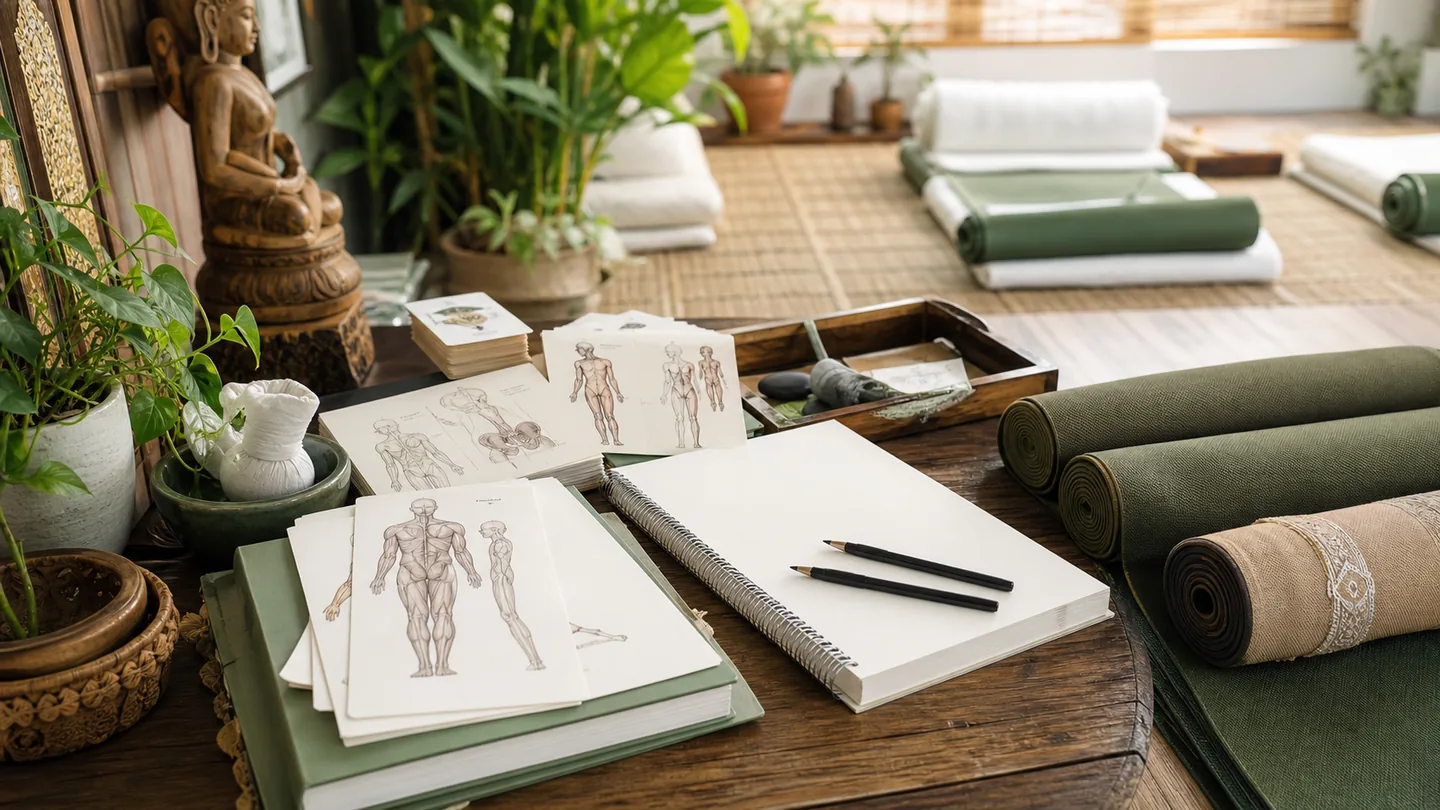
Wat Pho in Bangkok is widely associated with Thai traditional medicine and massage education. Many spa websites mention it because it signals a connection to a recognized teaching tradition. The old Energy of Thailand archive also referenced Thai masters and training heritage, which is one reason the rebuild keeps education and cultural respect near the center of the site.
For guests, the point is not to collect famous names. The point is to understand that Thai massage is learned through method, repetition and supervision. A lineage reference should point toward disciplined practice, not marketing decoration.
Lineage is useful only when paired with skill
A certificate or school name can be a meaningful starting point, but it does not guarantee the quality of every session. Skill shows up in pacing, listening, positioning, pressure control and the ability to adapt. Guests experience the session in real time, not the certificate on the wall.
This is why the best evaluation combines both ideas. Training matters because it gives the practitioner a framework. Present-moment attention matters because bodies are different. A professional practitioner respects both.
Traditional knowledge should be presented responsibly
Thai massage is sometimes described with energetic maps, sen lines and traditional concepts. Those ideas are part of the cultural language of the practice, but they should be explained without turning them into medical promises. Responsible education can describe tradition while still telling guests to seek medical care for injuries, illness or concerning symptoms.
This balance is important for modern SEO as well. Search engines and readers both reward clarity. A page that respects culture while avoiding exaggerated health claims is more trustworthy than a page that uses tradition as a shortcut around evidence.
What guests can ask before booking
Guests can ask simple questions without sounding confrontational: What style of Thai massage do you offer? Is the session on a mat or table? Can pressure be adjusted? How do you handle injuries or areas to avoid? Do you offer oil-free traditional sessions and oil-based relaxation sessions separately?
The answers should be calm and practical. A good spa will not make the guest feel difficult for asking. In fact, thoughtful questions often help the practitioner plan a better session.
Education includes etiquette
Thai massage education is not only technique. It includes etiquette, draping, humility, hygiene, guest communication and respect for boundaries. A technically skilled practitioner who ignores comfort does not create a premium experience. Conversely, a gentle but well-structured session can feel deeply professional because the guest knows they are being treated with care.
Etiquette is one of the places where cultural respect becomes visible. Clean entry into the room, clear transitions, careful support during movement and a quiet ending all communicate professionalism without needing many words.
Modern studios can honor tradition without copying the past
The restored site is not a museum piece. The archive had old WordPress scripts, flags, plugin widgets and dated graphics. A modern Thai massage site can honor the original spirit while improving speed, accessibility, typography and content structure. Tradition and modern presentation do not conflict when the core values remain intact.
That is the design direction behind the rebuild: warm materials, calm hierarchy, high-quality imagery and practical explanations. The result is more useful for today’s readers while still connected to the archived identity.
Avoid the authenticity trap
Some marketing uses authenticity as a competition: the hardest pressure, the most exotic language, the most dramatic claims. This can make guests feel that discomfort is proof of value. A better interpretation of authenticity is disciplined care. The practitioner knows the method, listens to the guest and adjusts without losing the shape of the practice.
Guests can protect themselves from the authenticity trap by asking for what they need. A lighter session can still be Thai massage. A slower session can still be skilled. Respect is not less traditional than intensity.
How lineage supports better choices
Understanding lineage helps guests ask smarter questions and appreciate the craft behind a session. It also helps them separate credible Thai massage education from generic spa language. The goal is not to become an expert before booking. The goal is to recognize the difference between a polished experience and a vague promise.
A good next step is to read the traditional Thai massage service page, then use the spa checklist before booking anywhere. Together, those pages translate cultural interest into practical decisions.
How to use this guide before you book
Use this article as a decision tool, not as a script you have to follow perfectly. Start by naming the main reason you are considering the session: rest, movement, warmth, scent, education, recovery after travel or a calmer weekly routine. When the goal is clear, it becomes easier to choose between the restored service pages and to avoid buying a treatment only because the name sounds impressive.
Before booking, write down three practical notes you can share with the spa. One note should describe pressure preference, one should describe any area to avoid or treat gently, and one should describe the atmosphere you prefer, such as quiet guidance or minimal conversation. These details are more useful than vague phrases like “I am very tense,” because they help the practitioner adapt the session without guessing.
During the session, treat feedback as part of the experience. A short sentence can protect the quality of the whole appointment: lighter pressure, less stretch, more support under the knee, please avoid that shoulder, or the heat is too strong. A professional Thai spa culture should make those comments feel normal. Silence is peaceful only when the body is comfortable.
After the session, take a few minutes to notice what changed and what you would adjust next time. Did you prefer firm pressure or slow warmth? Did the aroma help or distract? Was the room calm enough? Did the practitioner explain the sequence clearly? These observations turn one appointment into useful knowledge, especially if you plan to compare traditional Thai massage, aromatherapy or herbal heat rituals.
If you are comparing several spas, keep the comparison fair. Look at the same details each time: booking clarity, intake questions, cleanliness, pressure adjustment, timing, aftercare and whether the service matched its description. A cheaper session that is rushed may cost more in disappointment, while a premium session with vague communication may not be premium at all. The best choice is usually the one that makes expectations specific.
If you are new to Thai massage, start moderate. You can always choose a firmer, longer or more specialized ritual later. Beginning with a balanced session gives you a reference point: how your body responds to pressure, whether assisted movement feels good, and whether scent or heat improves the experience. That reference point is more useful than trying the most intense option first.
For couples, groups or visitors booking for someone else, avoid choosing only from your own preferences. One person may want firm pressure while another wants rest. One may enjoy fragrance while another is sensitive to scent. A well-run Thai spa can often adapt within the same appointment block, but only if those needs are named in advance. Good planning protects the guest who is least comfortable speaking up.
For repeat visits, keep a simple note after each session: service chosen, pressure level, areas that felt useful, areas to avoid, and whether the practitioner’s pacing suited you. Over time, these notes reveal patterns. You may discover that a shorter traditional session works better than a long oil massage, or that heat rituals are best when you are tired rather than when you need active movement.
For website readers using this restored archive as a planning hub, the strongest path is to read one service page and one article before taking action. The service page explains what the session is; the article explains how to judge it. That pairing is why each guide includes internal links instead of leaving the reader at a dead end. It also keeps every visit focused and practical.
If a spa or guide mentions tradition, training or a famous school, treat that as the beginning of evaluation rather than the end. Ask how the idea appears in the session itself: better preparation, safer movement, clearer boundaries, cleaner tools or more respectful pacing. The value of a tradition is strongest when the guest can feel it in concrete service details.
If scent, music, heat or lighting are part of the offer, judge them by subtlety. Premium wellness design usually removes friction instead of adding spectacle. The room should help you settle, the product choices should be easy to understand, and the practitioner should remain the center of care. Good atmosphere supports technique; it does not replace it.
Finally, keep the wellness frame realistic. Massage and spa rituals can support relaxation, body awareness and a more deliberate pause in the day, but they are not substitutes for qualified medical care. If pain, injury, numbness, fever, swelling or another health concern is part of the story, get appropriate medical advice before using a spa session as the answer.
Practical takeaway
Choose the service that fits your goal, communicate preferences early and stay cautious around exaggerated promises. Thai massage and spa rituals can be valuable wellness experiences when they are clean, respectful and realistic.
FAQ
Does a Wat Pho reference guarantee a good massage?
No. It can indicate training influence, but the session still depends on the practitioner’s skill, communication and professionalism.
Is Thai massage a medical treatment?
This site treats it as wellness and bodywork education, not medical care. Health concerns should be discussed with a qualified healthcare professional.