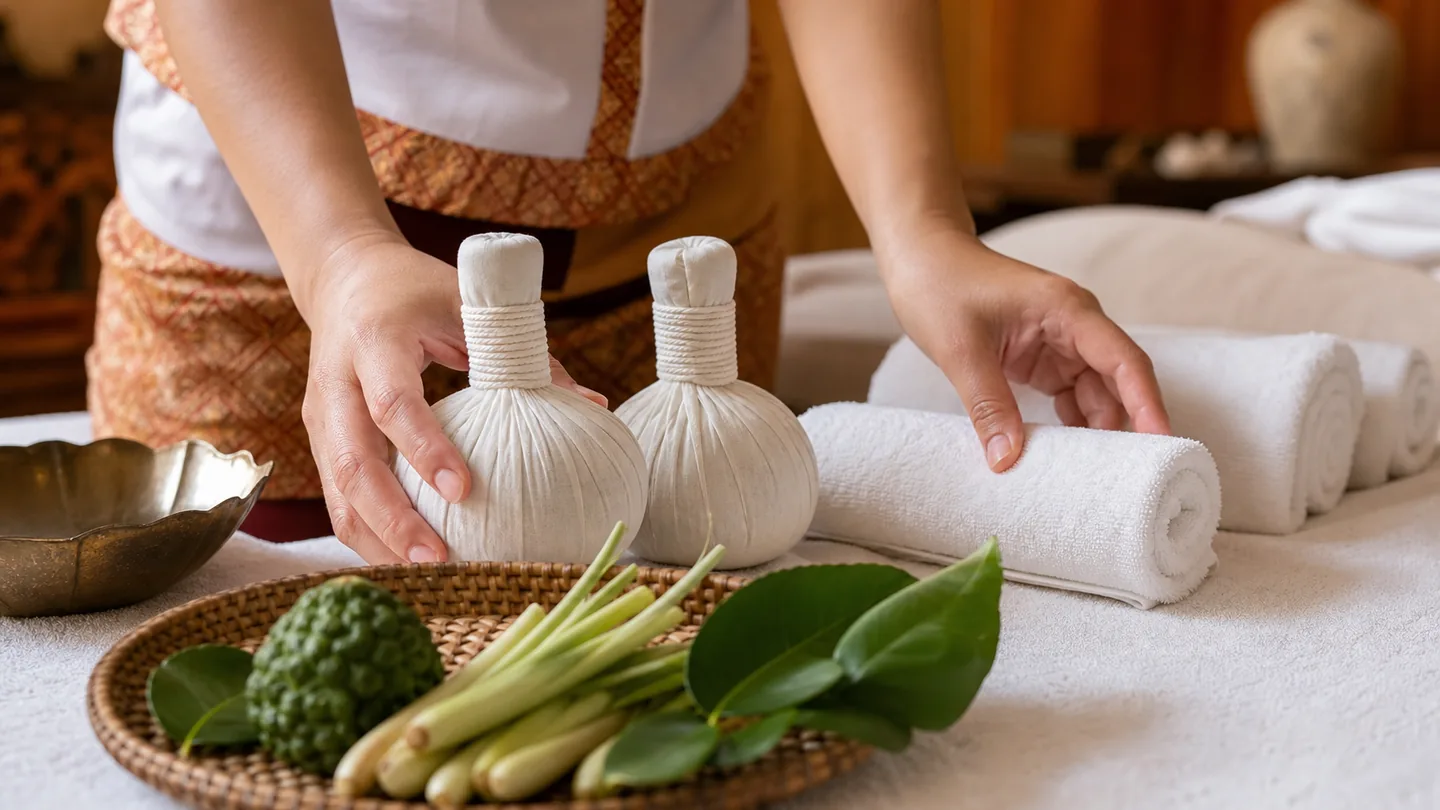
This guide is written for Guests comparing Thai massage with a familiar oil massage or spa treatment. It also connects to traditional Thai massage service guide and Thai spa quality checklist, so readers can move from background knowledge into practical planning.
The practice is structured bodywork, not random stretching
Traditional Thai massage is often described as a mixture of pressure, movement and assisted stretching, but that shortcut can make it sound less precise than it is. A professional session follows a sequence. The practitioner observes how the guest lies down, starts with calmer contact, works through lines of tension and uses transitions to keep the nervous system settled. The goal is not to impress the guest with dramatic shapes. It is to create a steady rhythm that helps the body feel attended to without feeling rushed or surprised.
That structure matters for safety and trust. When a session jumps quickly from one technique to another, the guest has no time to understand the pressure or communicate. When the sequence is thoughtful, even firm work feels more respectful. The guest can breathe, notice what is comfortable and ask for adjustments. This is why a good Thai massage feels both practical and ceremonial: the therapist has a plan, but the plan still listens.
Clothing, mats and pressure change the experience
Unlike a classic oil massage, traditional Thai massage is usually performed through flexible clothing on a mat or firm surface. This changes the relationship between practitioner and guest. Instead of long oil strokes, the session uses palms, thumbs, forearms, knees or feet in carefully controlled ways. The mat allows the practitioner to use body weight instead of only hand strength, which can make pressure feel broad and grounded rather than sharp.
For the guest, the practical preparation is simple: wear clothing that allows movement, avoid heavy meals before the appointment and remove watches or bulky accessories. A session should never require the guest to endure pain to prove that it is authentic. Strong pressure can be appropriate for some people, but it should be negotiated. The best phrase to remember is “effective, not heroic.”
Assisted stretching should be gradual
The most visually memorable part of Thai massage is assisted stretching. Online images often show advanced poses, but those are not the standard by which a good session should be judged. Many guests need small, slow movements more than dramatic stretches. A professional practitioner checks range gradually, supports joints and avoids forcing the body beyond what it is ready to do that day.
This is especially important for travelers, desk workers and people returning after a long break from bodywork. Tightness is not a challenge to defeat. It is information. A therapist who respects that information will use smaller movements, more pauses and clearer support. The result is usually more useful than an aggressive session that leaves the guest guarded.
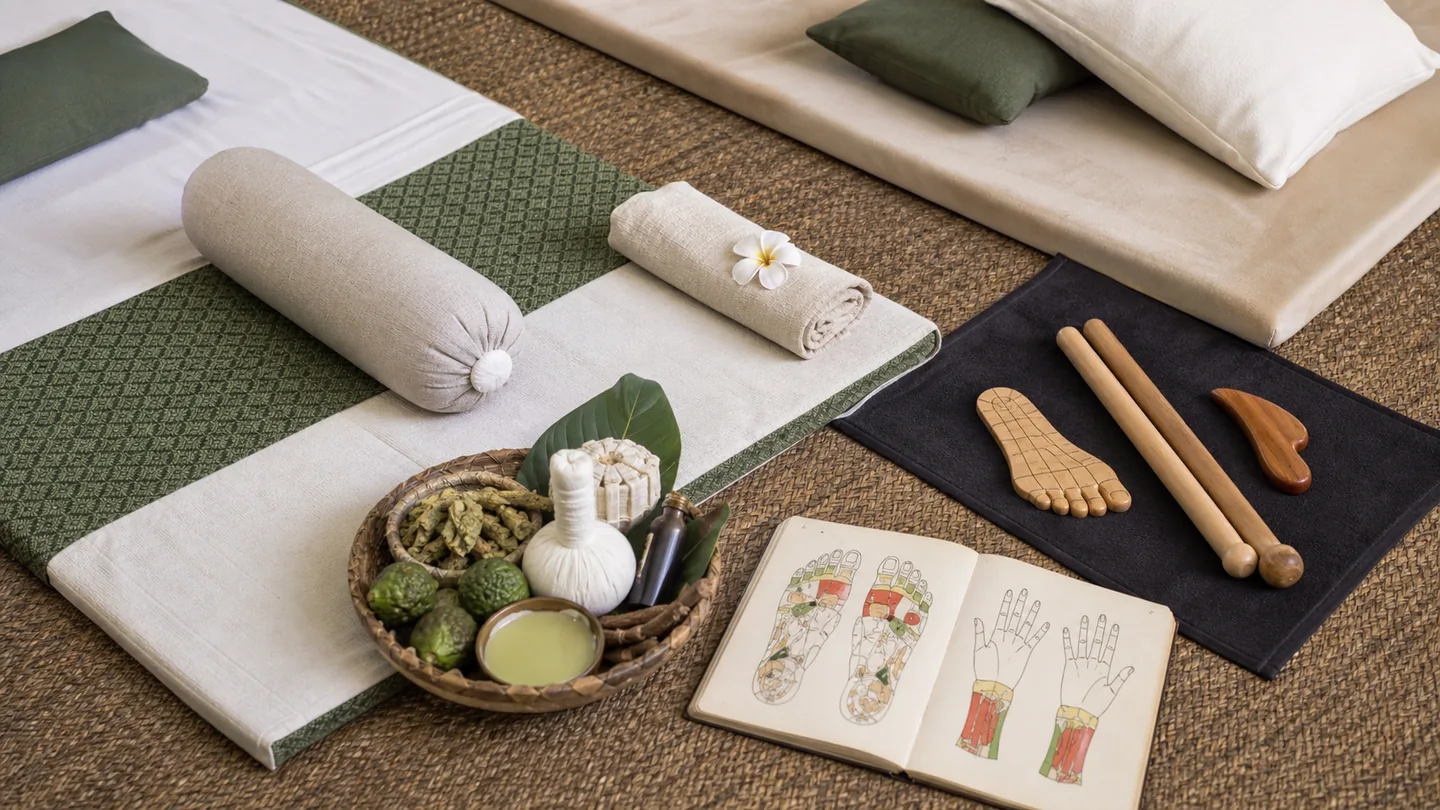
Communication is part of the technique
Some guests worry that speaking during massage will spoil the atmosphere. In reality, clear communication is one of the quality markers of a professional Thai session. Before the massage starts, the practitioner should ask about injuries, sensitive areas, preferred pressure, pregnancy, recent surgery and whether any movement should be avoided. During the session, a short check-in can prevent discomfort from becoming the main memory.
Good communication does not require constant conversation. It can be quiet, brief and practical: “lighter pressure please,” “avoid my left shoulder,” or “that stretch is too much today.” A premium spa culture makes these statements easy. The guest should never feel that feedback is impolite.
Traditional does not mean medical treatment
Thai massage has a long cultural history, and many people associate it with wellbeing, mobility and relaxation. Still, a responsible modern guide should not present it as a replacement for medical care. Pain, numbness, injury, fever, unexplained swelling or serious health conditions belong with qualified healthcare professionals. Massage can be part of a broader routine, but it should not be used to diagnose or treat conditions.
This responsible framing protects both the guest and the practitioner. It also makes the experience more credible. A spa that promises impossible results is usually less trustworthy than one that explains what the session can realistically offer: touch, movement, time, relaxation, body awareness and a structured pause from daily stress.
The room should support the practice
A Thai massage room does not need to be extravagant, but it should be clean, quiet and intentional. Fresh linens, a stable mat, enough space around the guest, accessible water and calm lighting all matter. The original Energy of Thailand archive leaned heavily on Thai atmosphere and hospitality; the modern version keeps that spirit by emphasizing preparation and care instead of decorative excess.
The strongest rooms feel uncluttered. They make it easy for the practitioner to move safely and for the guest to settle. A beautiful room cannot compensate for poor technique, but a disorganized room can undermine even skilled work. Details are signals.
Aftercare is simple and useful
After a session, guests often benefit from drinking water, taking a few quiet minutes before leaving and avoiding an immediate rush into intense activity. The body may feel lighter, sleepy or simply more aware. Mild soreness can happen after firm pressure or stretching, but sharp pain or unusual symptoms should be taken seriously.
A helpful spa gives realistic aftercare guidance without turning it into a lecture. The guest should leave knowing what was done, what to notice and when to choose a gentler session next time. This is where Thai massage becomes a practice, not just an appointment.
How to decide if it is right for you
Traditional Thai massage suits guests who want clothed bodywork, movement, pressure and a more active style than an oil massage. It may not suit guests who want very light touch, full stillness or a purely aromatic ritual. Those guests may prefer the site’s aromatherapy guide, while people curious about pressure and movement can start with the restored service page.
The best choice is the one that matches the day you are having. A tired traveler may need a gentler pace; an office worker may need careful hip and shoulder work; someone new to massage may need more explanation. Authenticity is not one fixed intensity. It is thoughtful adaptation.
How to use this guide before you book
Use this article as a decision tool, not as a script you have to follow perfectly. Start by naming the main reason you are considering the session: rest, movement, warmth, scent, education, recovery after travel or a calmer weekly routine. When the goal is clear, it becomes easier to choose between the restored service pages and to avoid buying a treatment only because the name sounds impressive.
Before booking, write down three practical notes you can share with the spa. One note should describe pressure preference, one should describe any area to avoid or treat gently, and one should describe the atmosphere you prefer, such as quiet guidance or minimal conversation. These details are more useful than vague phrases like “I am very tense,” because they help the practitioner adapt the session without guessing.
During the session, treat feedback as part of the experience. A short sentence can protect the quality of the whole appointment: lighter pressure, less stretch, more support under the knee, please avoid that shoulder, or the heat is too strong. A professional Thai spa culture should make those comments feel normal. Silence is peaceful only when the body is comfortable.
After the session, take a few minutes to notice what changed and what you would adjust next time. Did you prefer firm pressure or slow warmth? Did the aroma help or distract? Was the room calm enough? Did the practitioner explain the sequence clearly? These observations turn one appointment into useful knowledge, especially if you plan to compare traditional Thai massage, aromatherapy or herbal heat rituals.
If you are comparing several spas, keep the comparison fair. Look at the same details each time: booking clarity, intake questions, cleanliness, pressure adjustment, timing, aftercare and whether the service matched its description. A cheaper session that is rushed may cost more in disappointment, while a premium session with vague communication may not be premium at all. The best choice is usually the one that makes expectations specific.
If you are new to Thai massage, start moderate. You can always choose a firmer, longer or more specialized ritual later. Beginning with a balanced session gives you a reference point: how your body responds to pressure, whether assisted movement feels good, and whether scent or heat improves the experience. That reference point is more useful than trying the most intense option first.
For couples, groups or visitors booking for someone else, avoid choosing only from your own preferences. One person may want firm pressure while another wants rest. One may enjoy fragrance while another is sensitive to scent. A well-run Thai spa can often adapt within the same appointment block, but only if those needs are named in advance. Good planning protects the guest who is least comfortable speaking up.
For repeat visits, keep a simple note after each session: service chosen, pressure level, areas that felt useful, areas to avoid, and whether the practitioner’s pacing suited you. Over time, these notes reveal patterns. You may discover that a shorter traditional session works better than a long oil massage, or that heat rituals are best when you are tired rather than when you need active movement.
For website readers using this restored archive as a planning hub, the strongest path is to read one service page and one article before taking action. The service page explains what the session is; the article explains how to judge it. That pairing is why each guide includes internal links instead of leaving the reader at a dead end. It also keeps every visit focused and practical.
If a spa or guide mentions tradition, training or a famous school, treat that as the beginning of evaluation rather than the end. Ask how the idea appears in the session itself: better preparation, safer movement, clearer boundaries, cleaner tools or more respectful pacing. The value of a tradition is strongest when the guest can feel it in concrete service details.
If scent, music, heat or lighting are part of the offer, judge them by subtlety. Premium wellness design usually removes friction instead of adding spectacle. The room should help you settle, the product choices should be easy to understand, and the practitioner should remain the center of care. Good atmosphere supports technique; it does not replace it.
Finally, keep the wellness frame realistic. Massage and spa rituals can support relaxation, body awareness and a more deliberate pause in the day, but they are not substitutes for qualified medical care. If pain, injury, numbness, fever, swelling or another health concern is part of the story, get appropriate medical advice before using a spa session as the answer.
Practical takeaway
Choose the service that fits your goal, communicate preferences early and stay cautious around exaggerated promises. Thai massage and spa rituals can be valuable wellness experiences when they are clean, respectful and realistic.
FAQ
Is Thai massage supposed to hurt?
No. Firm pressure can be normal, but pain is not a quality marker. Ask for a lighter session whenever pressure feels sharp, stressful or hard to breathe through.
Should I choose Thai massage or oil massage?
Choose Thai massage for clothed bodywork, pressure and movement. Choose oil massage when you want a slower, more gliding, scent-led ritual.